


posted 15th September 2026
What an EICR checks
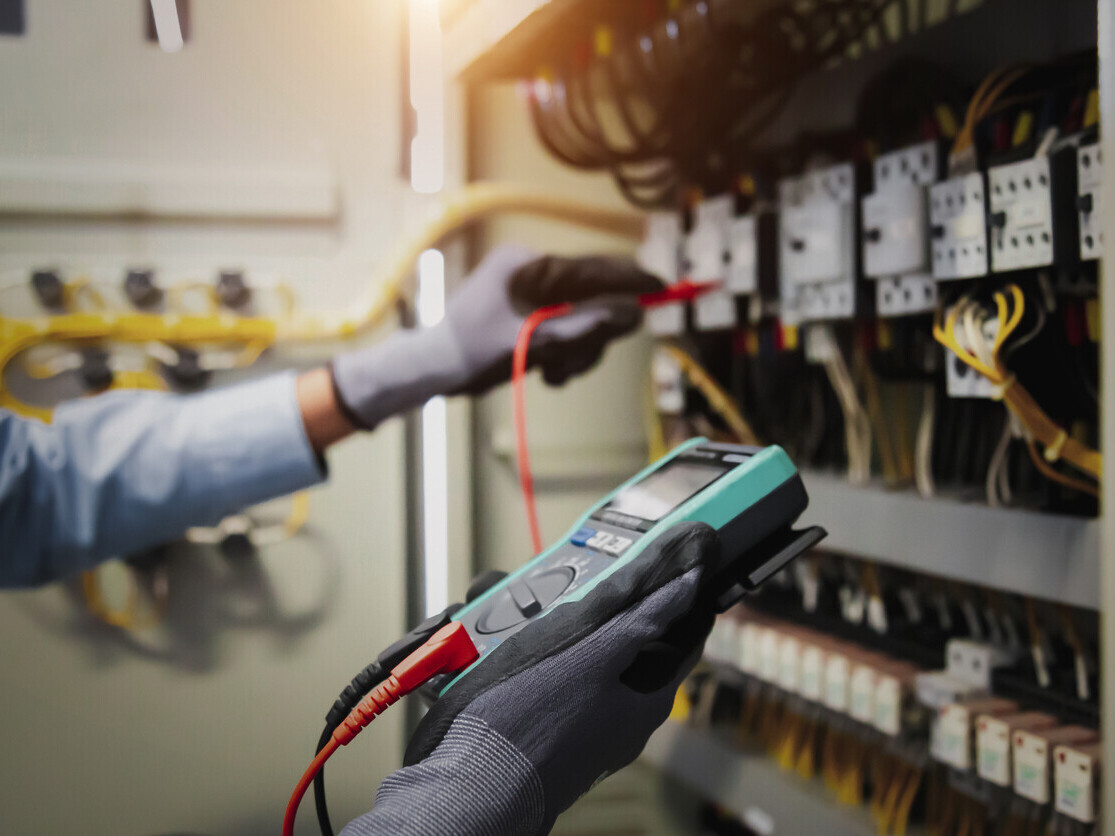
An Electrical Installation Condition Report (EICR) assesses the condition and safety of an existing electrical installation. The electrician inspects and tests the consumer unit, circuits, earthing and bonding, and accessories such as sockets and light fittings. The agreed extent of the inspection, any sampling and any limitations should be recorded in the report. It identifies defects and gives them a classification code; it does not guarantee that every concealed cable or fitting has been inspected.
C1
Danger present. Immediate action is needed to make the danger safe. The inspector will explain what they find and what must happen next.
C2
Potentially dangerous. Remedial work is needed urgently.
C3
Improvement recommended. This code alone does not make the EICR unsatisfactory.
FI
Further investigation required without delay because a possible danger could not be fully assessed.

Who needs an EICR?
An EICR is unsatisfactory if it contains any C1, C2 or FI codes. C3 recommendations alone do not make it unsatisfactory.
For rented homes in England covered by the electrical safety regulations, landlords must arrange inspection and testing at least every five years, or sooner if the report specifies. They must supply the report to tenants and the council within the relevant deadlines and arrange any required remedial work or further investigation within 28 days, or sooner if specified. Written confirmation of completed remedial work may be required alongside the report. Some tenancies are excluded, so check which rules apply to your property.
For owner-occupied homes, periodic inspection is generally recommended every ten years, although the installation’s condition may justify a shorter interval. An inspection is also useful when buying an older property or planning major alterations.
To discuss an inspection for your property, request an EICR quote from Up Close Electrical.